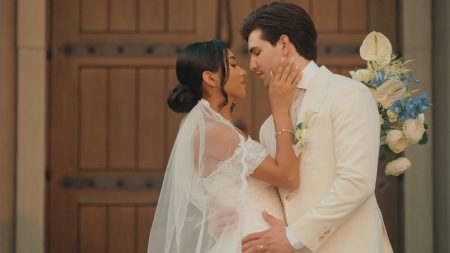
Editing a destination wedding film means carrying two things at the same time: a couple’s day, and a place they picked on purpose. The place needs to be present enough to count and held back enough that it doesn’t run off with the film. Miss in either direction and what you’ve got is a travelogue, or a film that might as well have been shot down the road.
What changes when editing a destination wedding film
Three things, mostly. Coverage tends to run across several days instead of one, which leaves you with more material and far less obvious shape. The light is often the whole reason the couple travelled, so it’s worth building around rather than correcting away. And the location carries meaning of its own, a coastline or a courtyard or a family’s country of origin, which the edit should acknowledge without ever narrating it.
Place as a character, not a backdrop
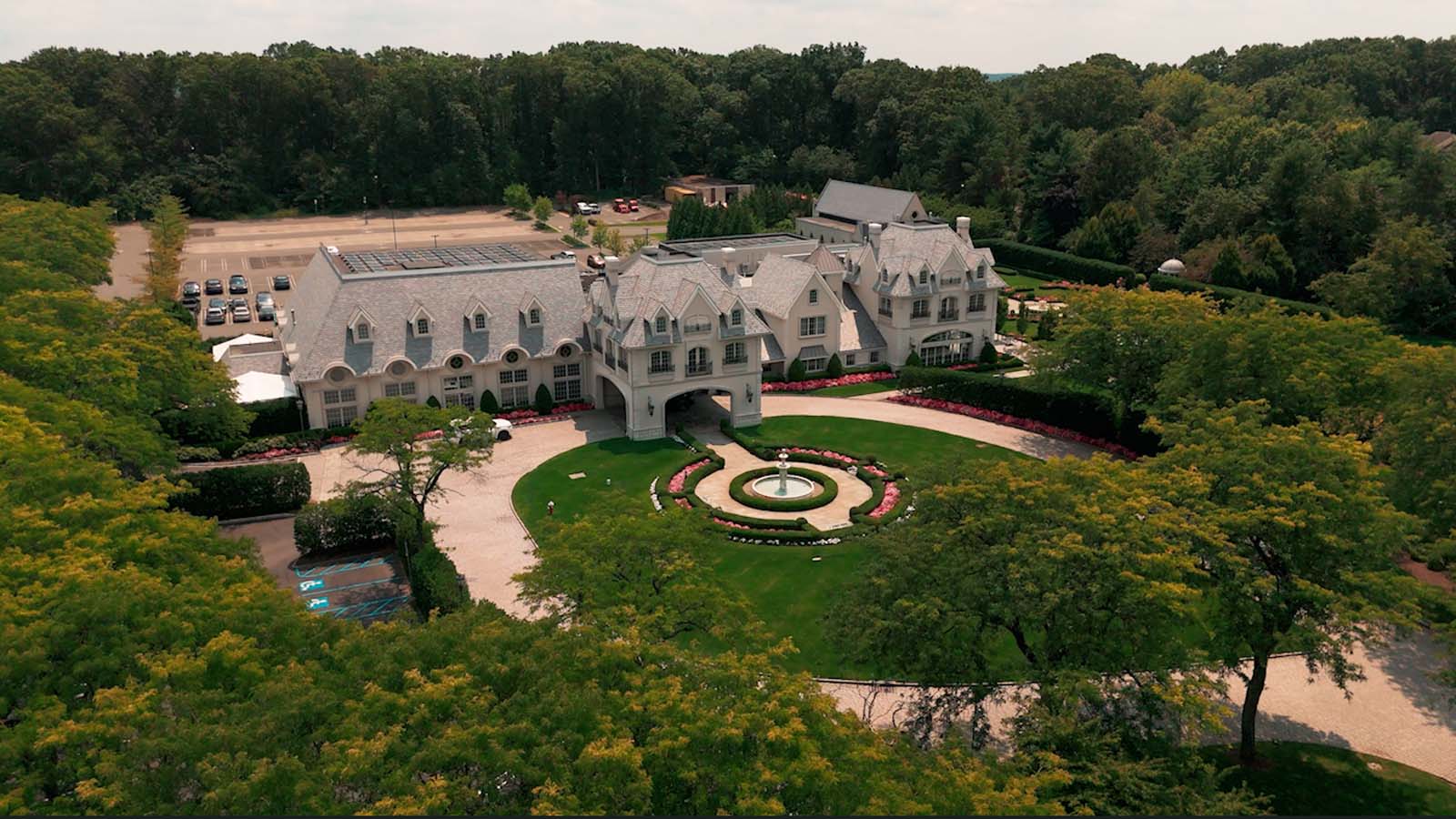
The test that actually helps: does this location shot tell the viewer something about the day? A wide of the valley the ceremony sits in earns its keep. A drone pass over a town nobody in the film ever sets foot in doesn’t. Two or three considered establishing shots will beat twenty, and they land hardest with people somewhere in them, even tiny in frame. A place with the couple in it reads as their day. The same place empty reads as stock.
Structuring a multi-day film
Welcome dinner, rehearsal, wedding, farewell brunch. That’s four days nobody is going to sit through in order. Usually the best move is to make the wedding day the spine and let the days around it arrive as movements: the arrival up front, the celebration threaded through, the farewell closing things out. You get a structure the viewer recognises rather than one that’s chronological purely because the days happened in that order. It’s the same argument we make in wedding film story structure.
When a couple wants all of it kept, give them a longer full wedding documentary next to a tighter cinematic cut. One film asked to do both jobs will do neither well.
Grading for a light you did not control
Destination footage swings hard. Blown-out coastal midday, deep shade in a stone courtyard, warm evening light, then string lights once it’s dark. Try to neutralise all of that and you get a film that looks like nowhere. Set a base look and let each environment hold its own character inside it, with skin tones as the thing that stays constant. It’s the same approach we lay out in what makes a wedding film look cinematic.
Language and tradition
Ceremonies abroad often run in a language not everyone watching speaks, with rituals that footage alone won’t explain. Subtitle a vow or a reading rather than trimming the passage to get around it. Give a ritual the runtime its significance calls for, even when it plays slow on a first pass. And when something’s unfamiliar to you, take the couple’s own framing of it instead of guessing at how much weight it should carry.
Pacing across the film
These films can breathe more than domestic ones do. Landscape holds up under longer shots, and the extra days give you room to slow down between events. Take it. Run four days at highlight pace and the whole thing feels frantic. Let the mornings sit and you end up with something closer to a short film about a place and the people who travelled to it.
Delivering the set
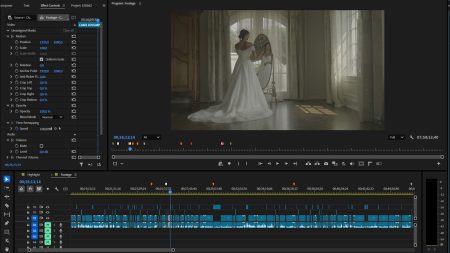
Multi-day coverage usually earns more than one deliverable: the cinematic cut, the full documentary, and something short the couple can post while they’re still away. That same footage will also carry a run of vertical cuts, which we cover in turning one wedding into a week of reels. All of it finishes in Adobe Premiere Pro to the same standard.
Looking for a post-production partner?
We edit cinematic wedding films for filmmakers and studios — graded, paced, delivered in ten days, under your brand.