The edit answers the question of how to open a wedding film inside the first thirty seconds, and everything downstream inherits whatever it decides. An opening sets the register: observed or narrated, quiet or immediate. Viewers settle into that register well before they’d be able to tell you what it was. Here are the openings that work, and the reasoning behind each.
Why the opening does more work than its length suggests
There’s no title sequence to lean on here, and no premise to set up. The couple already know how the day ended. So what the opening actually establishes is tone. This is a film that takes its time, or one that moves. One that watches, or one that swells. Miss on that and the rest of the edit burns its runtime walking back an expectation it set in the first breath.
Opening on stillness
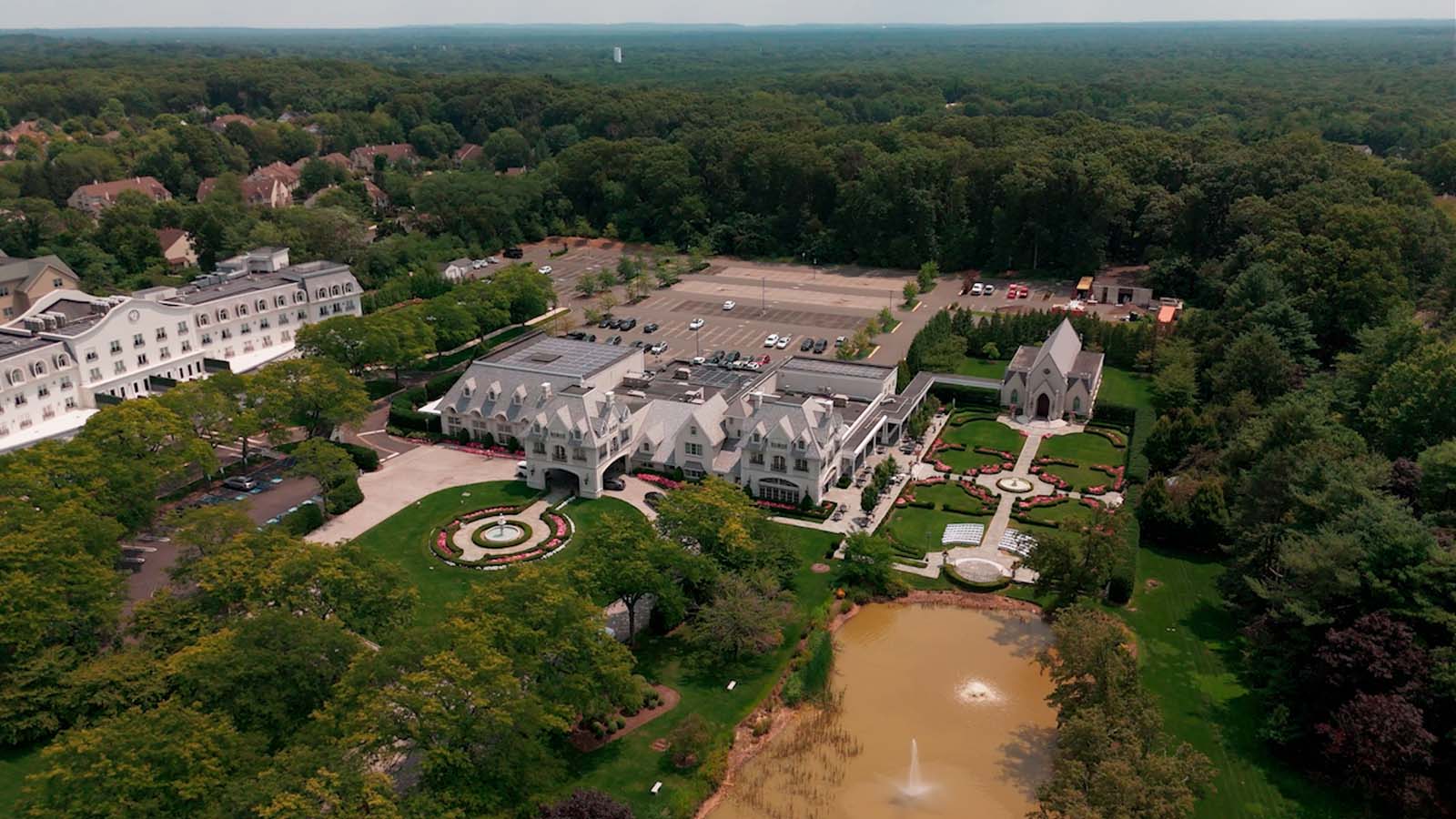
The strongest common opening is also the quietest. A wide of the venue in morning light. A dress hanging on a door. Rings on a windowsill. An empty room before anybody has walked into it. Hold it four or five seconds with nothing but room tone underneath and you’ve told the viewer this film is composed and in no hurry, and you’ve given the score a door to come in through.
It suits a cinematic wedding film especially well, since the whole piece is built as a story rather than a record.
Opening on a voice
A line from a vow, a fragment of a speech, a letter read out loud, sitting over images pulled from somewhere else in the day. When the audio is good this is the best opening you have, because it hands the film a spine of language straight away and lets the pictures serve it. What kills it is reaching. A line that felt profound in the room can sound staged once you lift it out, so take the plainest sentence rather than the grandest one.
Opening on the peak, then going back
Cold open on a high moment, the kiss or the doors or the first dance, then hard cut to the start of the day. It buys momentum immediately and suits shorter cuts, a teaser film in particular. On a longer film it can read like a trailer bolted to the front, so the return to the morning has to land properly instead of announcing itself as a device.
Opening in sequence
Start at the start. Preparations, in order, no framing at all. That sounds unambitious and frequently isn’t: a documentary opening trusts the day to hold attention on its own, and for a full wedding documentary it’s usually the right call. Where the line falls between honest and flat is something we work through in cinematic vs documentary wedding film editing.
What to leave out of an opening
Long title cards. A slow logo. A date animation. A run of shots that establish nothing at all. Every second before the film really starts is a second your viewer spends waiting instead of watching. If branding has to be in there, put it at the end almost every time, where it sits over a resolved image rather than holding up an unresolved one.
Matching the opening to the ending
Open on an empty room, close on that same room full, and the film has a shape the viewer feels without ever registering it. Bookending like this is the cheapest structural move available and one of the most effective. There’s more on it in wedding film story structure.
Building it in the edit
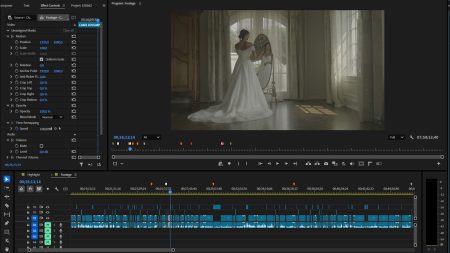
Cut your opening last, after the film’s tone has settled, and build it two or three different ways before you commit to one. The sequence runs in Adobe Premiere Pro, and the register you’re aiming for is the one we describe in what makes a wedding film cinematic.
Looking for a post-production partner?
We edit cinematic wedding films for filmmakers and studios — graded, paced, delivered in ten days, under your brand.