Ask how long a cinematic wedding film should be and there’s a short answer and a longer one. Short: most cinematic cuts settle between five and eight minutes. Longer: runtime isn’t a target you aim at. It’s whatever remains after everything that doesn’t belong has come out.
How long should a cinematic wedding film be in practice
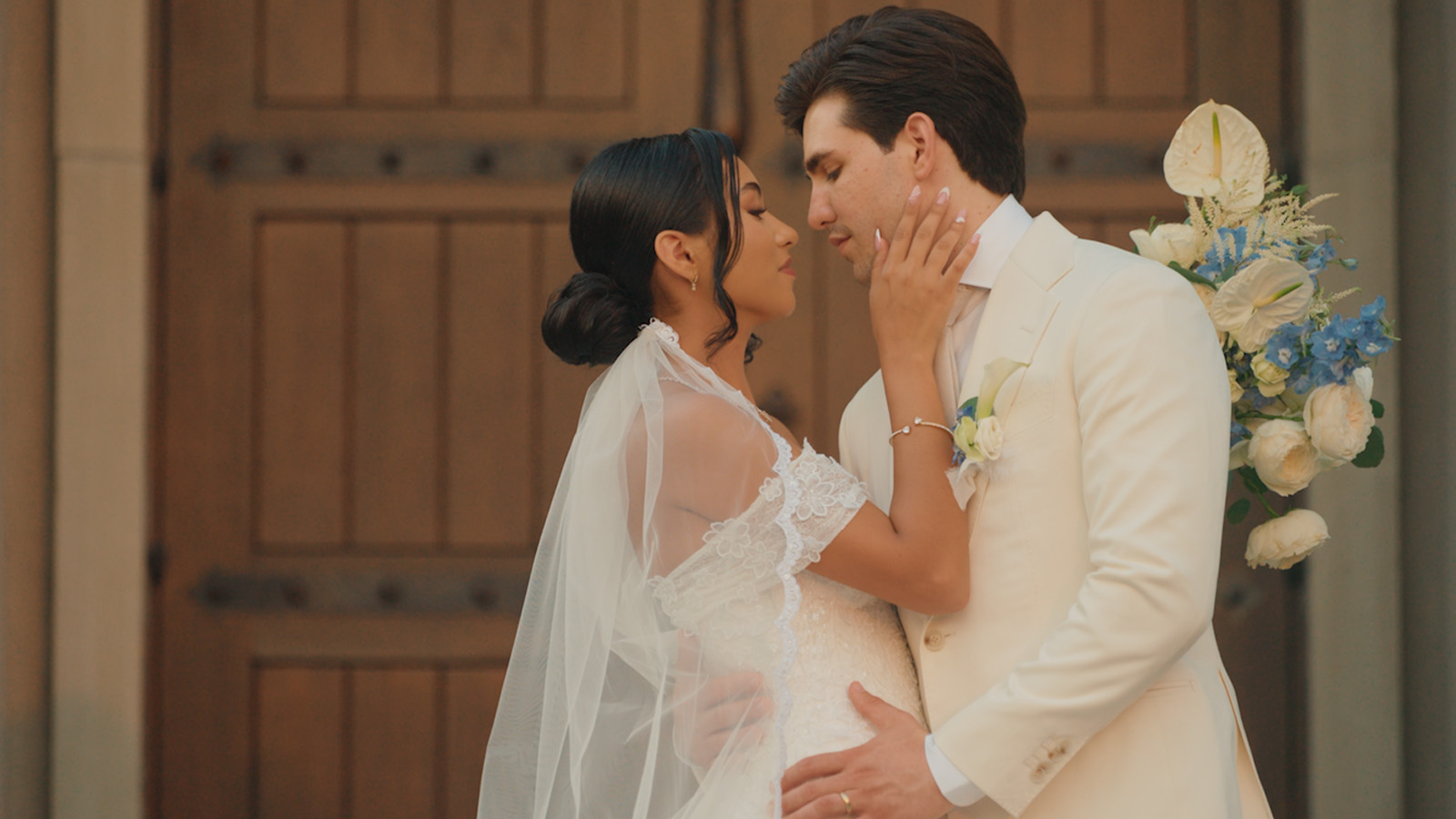
A cinematic wedding film is story-led, scored, and shaped as a piece rather than a record, and it usually resolves somewhere in the five-to-eight-minute range. Come in under four and it reads like a teaser that grew too big for itself. Push past ten and you need a real second movement to earn the length, which most weddings simply don’t have.
The other deliverables sitting alongside it have natural lengths of their own. A teaser runs thirty to sixty seconds. A highlight film runs three to five minutes. A full wedding documentary runs however long the day needs it to.
Why length is a pacing decision
Runtime isn’t what makes a film feel long. Losing its rhythm is. An eight-minute cut that builds, rests and resolves will play shorter than a five-minute one holding the same energy start to finish. Which means the question worth asking in the edit isn’t “how do I get to seven minutes.” It’s “does this film still have somewhere to go.” Once the answer is no, you’re done.
What actually sets the length
Three things, roughly in order. First, how strong the audio is: a film with real vows and real speeches can hold more runtime, because language keeps people watching in a way pictures alone don’t. Second, how varied the coverage is: one location and one look will tire a viewer faster than a day that moves around. Third, the music. A track that resolves at six minutes will argue against a seven-minute film harder than any editorial instinct you have, which is a point we get into in choosing music for a cinematic wedding film.
The parts that resist trimming
Certain passages shouldn’t be cut down just to hit a number. The vows, held rather than sampled. The doors opening. The end of a speech that actually lands. Trimming those to buy thirty seconds is bad economy. Find the time in your transitions instead, in the second-best portrait sequence, in the third shot of a room you already established. We go through the whole question in what to cut from a wedding film.
Delivering more than one length
One file is rarely the best delivery. Something short to share, a cinematic cut to sit down with, a long-form record to keep: three occasions, three audiences. That’s the thinking behind pairing a cinematic film with a documentary edit, and behind pulling a set of vertical pieces out of the same footage. See turning one wedding into a week of reels.
A note on what couples say they want
Couples ask for everything, then watch the short cut. Both of those are true at the same time, and there’s no point arguing with either. Give them a film that respects their attention and a longer record that respects their memory. Where the line falls between the two forms is something we set out in cinematic vs documentary wedding film editing.
Finding the ending
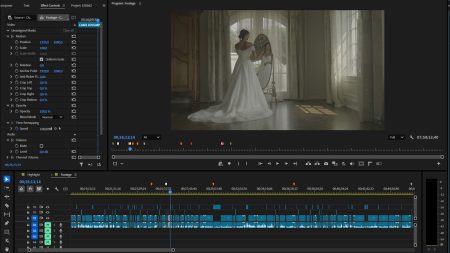
Last thing to get right is where the film stops. A cinematic cut wants to end on a resolved image with the score arriving somewhere, not drift out mid-celebration because you ran out of material. Cut your ending early in the process rather than leaving it until last, and the runtime tends to sort itself out. The sequence runs in Adobe Premiere Pro.
Looking for a post-production partner?
We edit cinematic wedding films for filmmakers and studios — graded, paced, delivered in ten days, under your brand.